

You’re at the airport, and the agent says your bag is 10 pounds over. Now you’re sitting on the floor, pulling out shoes and wondering what on earth that much weight looks like. Sound familiar?
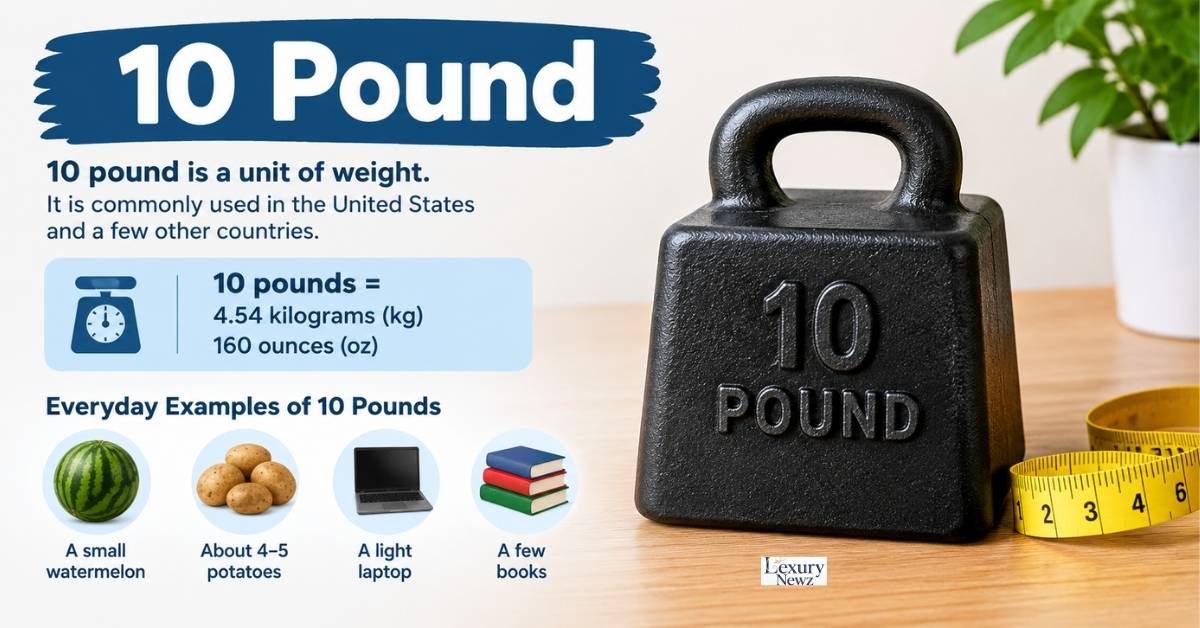
10 pounds equals 4.54 kilograms, or 160 ounces. That’s about the weight of a small turkey, a bag of flour, or a house cat. Numbers alone don’t help much, though. Seeing a real object does. This guide gives you 23 everyday items that match the weight, plus easy tricks to estimate it without a scale. Let’s get into it.
How Heavy Is 10 Pounds?
So, how heavy is 10 pounds?
Pick up a full gallon of milk and you’re holding about 8.6 pounds.
Add a couple of cans of soup, and you’re there.
The pound measurement unit belongs to the imperial measurement system. The abbreviation lb comes from the Latin word libra. So when you see 10 lbs, it just means ten pounds.
Most of the world uses the metric measurement system instead. That’s why you’ll often need pounds-to-kilograms math when you travel or shop online. Here’s the quick reference for 10 pounds in kg and other units.
| Unit | Value for 10 Pounds |
| Kilograms | 4.536 kg |
| Grams | 4,536 g |
| Ounces | 160 oz |
| Milligrams | About 4,535,924 mg |
| Stones | About 0.71 st |
Why Knowing This Weight Is Useful
Ever stood at an airport counter watching your bag land on the scale?
Ten pounds can decide whether you pay a fee or smile and walk away. Knowing the approximate weight of everyday things saves you that stress.
It also helps with fitness, shipping, and cooking. A new lifter wants to know if a 10-pound dumbbell is a fair starting point. A seller wants to guess a parcel’s weight before buying postage.
Honestly, numbers on their own don’t stick. Real-world weight examples do. Once you’ve held a few 10-pound objects, your hands become a decent scale.
Everyday Objects That Weigh About 10 Pounds
Here’s your weight reference guide. Some items hit 10 pounds exactly, while others land close, so I’ve flagged the ranges.
Brands and sizes vary, so treat each one as a weight comparison, not a promise.
1. A Cast Iron Skillet
A large skillet, around 12 to 15 inches, can reach 10 pounds. Smaller 10-inch pans sit nearer 5 pounds.
If you’ve ever wrestled one off a stove with one hand, you know the feeling. Your wrist remembers.
2. A 10-Pound Dumbbell
This one’s the cleanest 10 lb weight comparison you’ll get. Gyms label dumbbells by pounds, so there’s no guessing.
A single one works for shoulder presses and curls. Most beginners find it light for squats and surprisingly tough for lateral raises.
Read More:14 Inches Long: 23 Everyday Things That Perfectly Measure Up
3. A Small Carry-On Suitcase (Empty)
Many sturdy hard-shell carry-ons weigh 7 to 10 pounds before you pack a sock. Soft-sided ones often come in lighter.
That’s why weight-conscious travelers check the empty bag first. Half your allowance can vanish before you add clothes.
4. A Loaded Yoga Sandbag
Fitness sandbags come in adjustable sizes, and a 10-pound fill is common. The sand shifts as you move, which makes it feel harder than a solid weight.
Trainers like them for lunges and carries. You can also fill one yourself with play sand from a hardware store.
5. A Metal Toolbox With Basic Tools
Fill a medium metal toolbox with a hammer, pliers, a tape measure, and a few screwdrivers. It lands around 10 pounds pretty fast.
My uncle’s garage box feels like twice that. Add a drill and you’ll see why.
6. A Gaming Console in Its Retail Box
An Xbox Series X weighs about 9.8 pounds on its own. The box, cables, and controller push the full package a little past that.
Newer slim consoles are lighter. Check the spec sheet for your exact model.
7. A Standard 10-Pound Bag of Flour
Many grocery stores sell a 10-pound bag of flour, usually in the baking aisle. It’s a handy way to feel 10 lbs while you shop.
Lift one next time you’re there. It’s soft, awkward, and heavier than it looks.
8. A Filled Hydration Pack
Three liters of water weighs about 6.6 pounds. Add a pack, snacks, and a jacket, and you’re near 10 pounds.
Hikers know this number well. It’s the point where your shoulders start asking questions.
9. A Portable Generator (Mini Models)
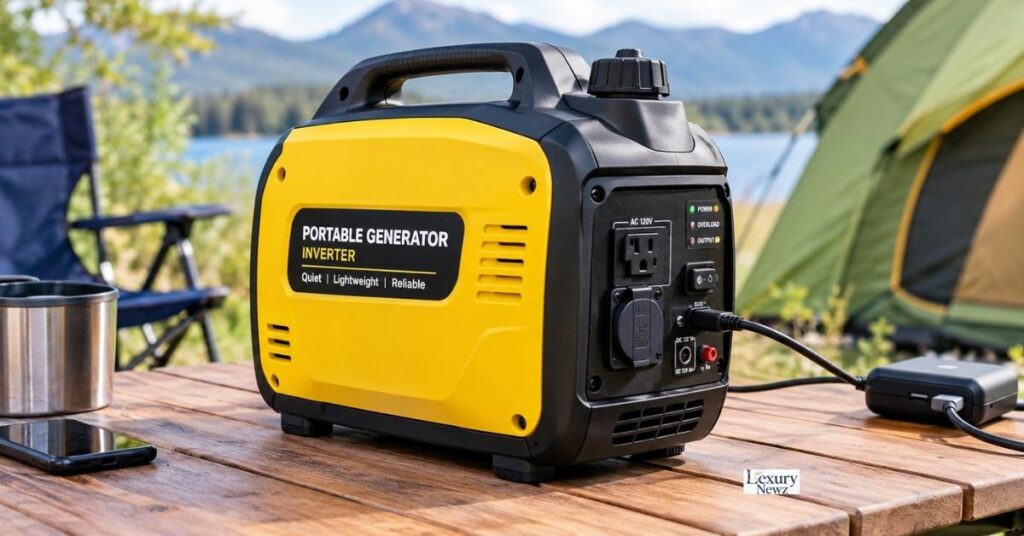
Most gas generators weigh far more than 10 pounds. The tiny battery-powered portable power stations are the ones that land close, with small models running about 7 to 10 pounds.
They’re popular for camping and phone charging. Check the label first, since sizes swing a lot.
10. A Kettlebell (10-Pound Size)
Some brands sell a true 10-pound kettlebell, which suits beginners well. Others use kilograms, so a 4 kg bell weighs about 8.8 pounds.
That small gap matters if you’re tracking progress. Read the label before you buy.
11. A Car Battery Jump Starter Pack
Compact lithium jump starters often weigh just a pound or two. Older lead-acid portable packs run about 10 to 20 pounds.
You’ll feel the difference when you lift one out of a trunk. It’s worth knowing which type you own.
12. A Filled Laptop Backpack With Charger and Books
A laptop, a charger, two textbooks, and a water bottle can easily reach 10 pounds. Students hit this number daily without noticing.
Your back notices, though. Try a quick weigh-in on a bathroom scale.
13. A Crate of Apples (Small Produce Crate)
A peck of apples, which is a small produce crate, weighs roughly 10 to 12 pounds. That’s around 25 medium apples.
Orchards sell them this way for a reason. It’s a comfortable one-arm carry to the car.
14. A Whole Turkey (Small, Uncooked)
A 10-pound turkey is a common size for a small holiday dinner. It feeds about six to eight people.
Pick one up from the freezer case sometime. Cold, slippery, and very much 10 pounds.
15. A Portable Space Heater (Small Size)
Small ceramic heaters usually weigh 3 to 6 pounds. Taller tower models can reach 10 pounds or a bit more.
Check the box before you carry one upstairs. Heat sources and stairs deserve a little planning.
16. A Family-Size Frozen Food Box
Bulk frozen meal boxes often land between 8 and 12 pounds. It depends on the brand and what’s inside.
It’s a loose match, but a handy one. You’ll feel it right away on the walk home from the store.
17. A 10-Pound Bag of Rice
Rice is sold in 10-pound bags in plenty of stores. It’s dense, so it feels compact and heavy at once.
Tuck one under your arm and you’ll understand 10 lbs fast. Bonus: dinner is sorted for weeks.
18. A Weighted Vest (Light Version)
Light weighted vests start around 10 pounds and go up from there. They spread the load across your torso, which feels gentler than a bag.
Walkers use them to add effort without extra miles. Start light and build slowly.
19. A 10-Pound Bowling Ball
Bowling balls range from about 6 to 16 pounds. A 10-pounder is a popular pick for kids and newer bowlers.
It’s smooth and balanced, and gravity does the rest. Drop one on your foot only once.
20. A Medium House Cat
Many adult cats weigh 8 to 11 pounds. So yours may be a living 10-pound weight that purrs.
Ask your vet for the exact number. A slow, steady change in weight matters more than one reading.
21. A 10-Pound Bag of Potatoes
Potatoes are sold in 10-pound bags at most supermarkets. That’s roughly 25 to 30 medium spuds.
It’s an easy way to picture the weight. It also makes a solid week of fries.
22. A Small Watermelon
Small watermelons run about 8 to 12 pounds. Bigger ones can top 20.
Thump one in the store and test it in your arms. You’ll learn the weight and find a sweet one.
23. A 10-Pound Sledgehammer
Ten pounds is a standard size for a sledgehammer. It’s the one used for demolition and driving stakes.
You swing it with both hands for good reason. It’s heavy at the head, so it feels like more.
How to Estimate 10 Pounds Without a Scale
No scale nearby?
You can still estimate the weight of objects with a few tricks. Water is your best friend here.
One liter of water weighs about 2.2 pounds. So 4.5 liters is close to 10 pounds, or just over a gallon. A gallon jug plus a couple of bottles of water gets you there.
Compare against things you already know. If it feels like two gallons of milk and a bit extra, you’re close. Try this a few times and your hands will learn the feel.
Handy Conversion Tips for 10 Pounds
Need to convert fast?
The pounds-to-kilograms conversion formula is simple: multiply the pounds by 0.4536. So 10 × 0.4536 gives you 4.536 kg.
For pounds to ounces, multiply by 16. That’s why 10 pounds in ounces is 160, and 160 ounces in pounds brings you back to 10. For pounds to grams, multiply by 453.6, which gives about 4,536 grams.
If you’re doing quick math in your head, halve the pounds and subtract a tenth of that. Ten pounds halves to 5, minus 0.5, gives 4.5. Close enough for a grocery run.
DIY: The “Water Bottle Ruck” Challenge
Want to feel 10 pounds on your back?
This easy challenge needs no gym and no fancy gear. You’ll carry it around the block and see how it feels.
What You Need
- A sturdy backpack
- Eight 500 ml water bottles (each about 1.1 pounds)
- A bathroom scale, if you have one
- Comfortable shoes
- A friend, if you like company
Instructions
- Fill the bottles and seal them tight.
- Pack them upright, with the heaviest ones near your back.
- Weigh the loaded bag. Add or remove a bottle until it reads about 10 pounds.
- Walk for 15 minutes at an easy pace.
- Notice where it pulls, then adjust the straps.
Rucking is basically walking with a weighted pack. It builds endurance without needing a gym membership.
Try it and tell me in the comments how your shoulders held up.
Did You Know?
The pound has been tied to the metric system since 1959. That year, several countries agreed that one pound equals exactly 0.45359237 kilograms.
So your 10 lb to kg math has always had a solid reference point.
In the UK, people often use stones for body weight. Ten pounds is about 0.71 stone, a tiny slice of one. And yes, a gallon of water really weighs a little over 8 pounds.
Final Thought
Ten pounds is lighter than most people expect. Yet it feels very real once you carry it for a while. You now know that 10 pounds equals 4.54 kilograms, or 160 ounces. You’ve also seen 23 simple items that match this weight. A bag of flour, a small turkey, and a dumbbell all fit the bill.
Next time you need to guess 10 pounds, think of these items. Your hands will learn the feel fast. Use water as a quick guide when no scale is around. Remember that 10 pounds can feel heavy or light, based on shape and grip. Try a few items today, then share your favorite example in the comments.
FAQs About 10 Pounds
Why Does 10 Pounds Feel Heavier in the Hand Than on the Back?
Small arm and grip muscles tire fast under 10 pounds. A backpack spreads that load across your bigger back and hip muscles.
Can Carrying 10 Pounds Cause Injury?
Carrying 10 pounds is safe for most healthy adults. Poor posture, one-sided carrying, or hours of strain can still cause pain.
How Can I Estimate 10 Pounds Without a Scale?
Use about 4.5 liters of water to match 10 pounds. A 10-pound bag of rice works as a handy reference too.
Why Do Compact Objects Feel Heavier at the Same Weight?
Compact items squeeze 10 pounds into a small space. Your hand feels all that weight in one tight spot.
Does Temperature Affect How Heavy 10 Pounds Feels?
The real weight of 10 pounds never changes with temperature. Cold hands lose grip strength, so the load can feel heavier.

Logan Pierce is a measurement content writer at Lexury Newz, focused on units, conversions, dimensions, and practical measurement concepts. With an interest in clear research and accurate calculations, Logan creates easy to understand guides that help readers apply measurement information confidently in everyday, educational, and practical situations.